Seasonal Food Cycles & Physiology
Evidence-based context on how seasonal food availability aligns with physiological needs
Throughout human evolutionary history, food availability has followed seasonal patterns determined by climate, temperature, and daylight cycles. These seasonal variations created rhythmic patterns in nutrient availability and dietary composition, patterns that human physiology evolved to accommodate.
Modern food systems have largely eliminated seasonal constraints, creating year-round availability of almost all food types. Understanding the physiological context of seasonal eating patterns provides insight into how human metabolism has adapted to natural cycles.
Spring Nutrient Profiles
Spring marked the return of fresh plant growth after winter dormancy. Early spring vegetables—tender greens, fresh herbs, and emerging shoots—provided fresh micronutrients after winter months when stored foods and preserved preparations dominated.
Spring foods are characteristically high in water content, minerals (particularly calcium and iron from leafy greens), and vitamin C. The consumption of these fresh, high-water foods aligns with increased activity levels as temperatures rise and daylight extends. The mineral content supports renewed physical activity, while the vitamin C content enhances iron absorption from concurrent protein sources.
Summer Nutrient Cycles
Summer brought peak caloric abundance through concentrated fruits rich in sugars and diverse plant compounds. Summer fruits—berries, stone fruits, melons—provided quick energy through easily digestible carbohydrates alongside substantial polyphenol and flavonoid content.
The higher sugar content of summer fruits aligns physiologically with increased energy demands from heat exposure and elevated activity levels. The abundance of antioxidant compounds in summer fruits correlates with increased oxidative stress from sun exposure and physical activity, suggesting a natural complementarity between seasonal food composition and physiological demands.
Autumn Nutrient Transitions
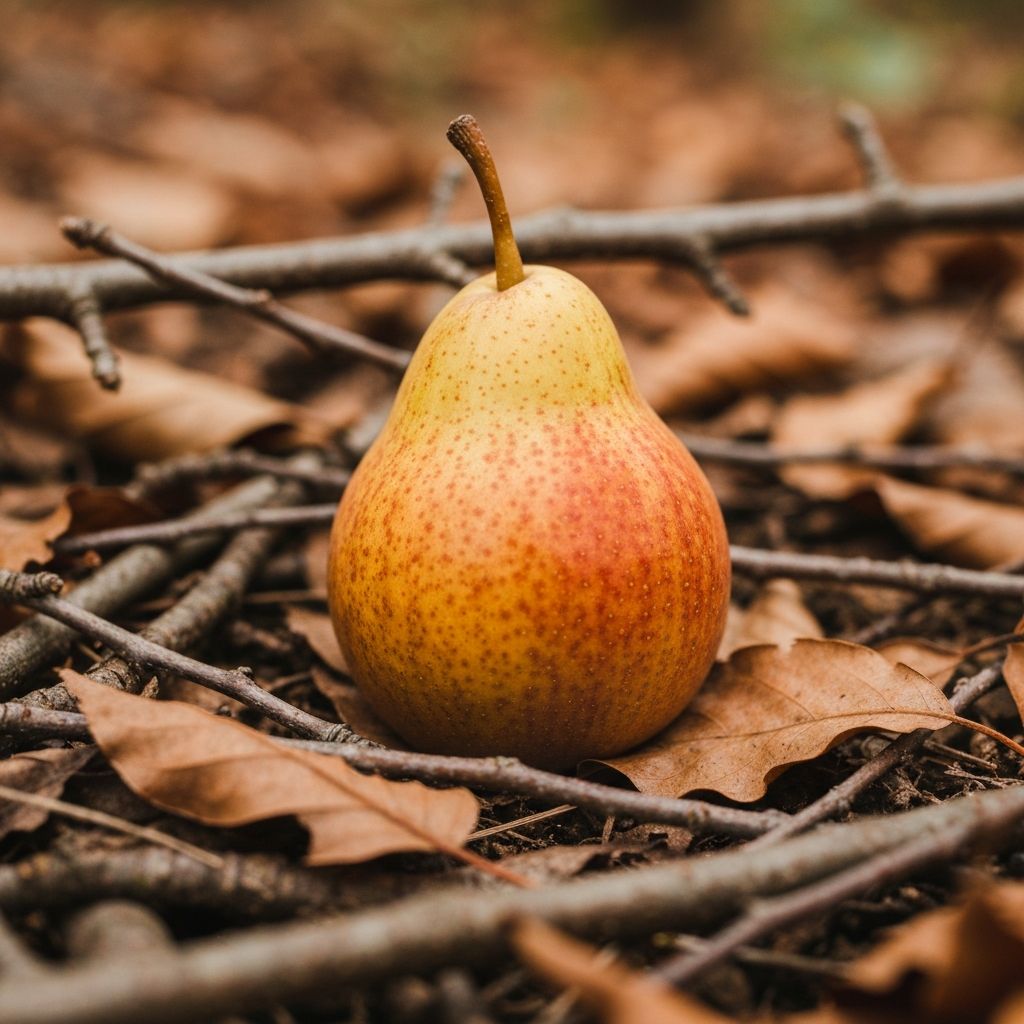
Autumn brought the harvest of energy-dense foods—nuts, seeds, root vegetables, and storage crops. These foods are characteristically higher in fats (nuts, seeds) and complex carbohydrates including resistant starches (root vegetables, grains) compared to spring and summer options.
The shift toward more energy-dense foods as days shorten aligns with metabolic preparation for winter. The resistant starch content of autumn harvests provides substrates for beneficial microbial fermentation in the colon, generating short-chain fatty acids involved in metabolic regulation. The nutrient composition supports the metabolic transition toward energy conservation and storage.
Winter Physiological Adaptations
Winter presented reduced food variety and reliance on stored, preserved, and foraged options—dried foods, fermented preparations, stored roots, and minimal fresh plant foods in temperate climates. The reduced food variety contrasts sharply with other seasons, yet winter foods are characteristically energy-dense and nutrient-concentrated.
Winter seasons correlate with reduced physical activity, increased metabolic demands for thermoregulation, and altered circadian rhythms from reduced daylight. The physiological changes associated with winter—altered hormone production, reduced physical activity, metabolic adaptations to conserve energy—represent evolved responses to predictable seasonal challenges.
Microbiome and Seasonal Feeding Patterns
The seasonal rotation of foods creates seasonal variation in gut microbiota composition. Spring and summer consumption of high-fiber vegetables and fruits supports specific beneficial bacterial populations, while autumn and winter patterns shift microbial communities toward populations specialized in fermenting resistant starches and other stored food components.
This seasonal cycling of the microbiota may have evolved regulatory benefits, preventing overgrowth of specialized populations and maintaining bacterial diversity. The disruption of seasonal eating patterns through modern year-round food availability represents a relatively recent change in human dietary patterns.
Modern Implications of Disrupted Seasonality
Contemporary food systems provide year-round access to all seasonal foods regardless of actual harvest time. While this eliminates nutritional deficiencies that could arise from extreme seasonal restriction, it also eliminates the physiological cycles that evolved in concert with seasonal food patterns.
The metabolic and microbiota implications of this disruption remain incompletely understood. Some research suggests that reintroduction of seasonal eating patterns—not from nutritional necessity but from dietary variation—may provide benefits to metabolic regulation and microbiota diversity, though substantial individual variation in response would be expected.